

Walk through any high school hallway and one accessory quietly dominates student style: the claw clip. From pastel Emi Jay designs to minimalist Alo pieces, these small accessories have evolved beyond simple hair tools. They now act as fashion statements that reflect teen identity, creativity and the growing influence of social media culture.
Two brands dominate the conversation: Emi Jay and Alo. Both produce trendy claw clips, but students often have strong opinions about which brand delivers better style and quality. The rivalry highlights how everyday accessories can become symbols of individuality in teen culture.
The comeback of claw clips is closely tied to platforms like TikTok and Instagram, where hairstyle videos reach millions of viewers. Editors at Vogue report that brands such as Emi Jay have become must-have accessories for young consumers, driven by influencer culture and online visibility. According to analysts at Vogue Business, Gen Z shoppers often use small accessories to experiment with personal branding, turning everyday fashion choices into expressions of identity.
Emi Jay is known for colorful, playful designs that stand out, while Alo focuses on neutral tones and a minimalist aesthetic. This contrast gives students options that match different personalities and fashion preferences. Many teens say their buying decisions are shaped by what they see online and how quickly trends circulate through their schools.
For many teens, balancing appearance with function is part of everyday fashion decisions, especially when accessories must last through long school schedules. Emi Jay clips often feature bright colors and bold shapes that act as statement pieces.
“I usually choose Emi Jay clips because they add a fun pop to my outfit,” Lucy Gonzalez (9) said. Others prefer a more understated look. “I like Alo clips better since they look simple and match all my outfits,” Emma Sola Peña (9) said. These preferences show how small accessories can communicate individuality and fashion taste.
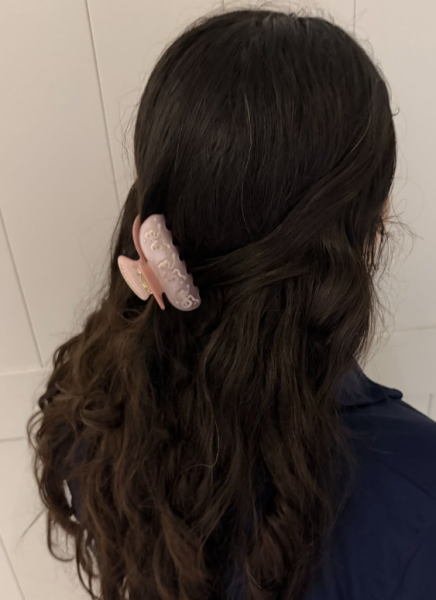
While style shapes first impressions, durability and everyday function also play a major role in how students choose between brands. Accessories must survive long school days without slipping or breaking. “Alo clips feel higher quality to me since they’re sturdy and don’t slip during the whole day,” Peña said.
Some students also weigh price and durability when comparing brands. “Emi Jay clips are cute, but I think Alo is worth it because they last longer,” Peña said.
Beyond durability and style, clips carry social meaning for many teens. In a school environment where small fashion choices can signal personality and belonging, accessories like claw clips become tools for experimentation and self-expression. Fashion analysts note that Gen Z shoppers frequently use accessories to shape personal branding, reinforcing how fashion choices connect to identity.
The Emi Jay and Alo debate illustrates how small fashion trends connect to teen identity and culture. As social media continues to accelerate trend cycles, everyday items like claw clips play a growing role in how students present themselves and connect with peers.
Whether bold or minimalist, the popularity of claw clips shows how even the smallest accessories can define youth culture. As social media continues to accelerate fashion trends, the Emi Jay and Alo rivalry highlights how everyday style choices help students express identity, signal belonging, and connect with peers in a constantly evolving fashion landscape.