




















What began as a cold and cloudy morning in New York City quickly turned into a historic snowstorm.
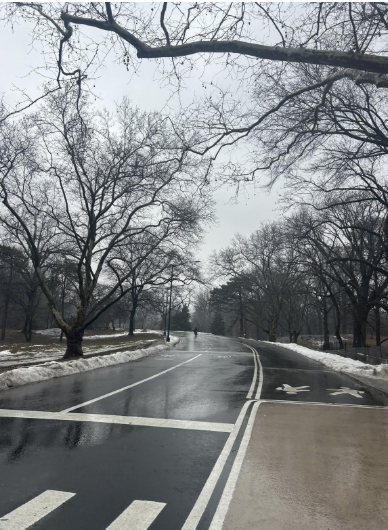
When I stepped outside my hotel, the air felt dry and sharp, and the sky hung heavy and gray. At first, there was only rain, but within minutes, it began to change. As I walked toward the subway, the rain slowly turned into snow. The first snowflakes appeared as tiny white specks, barely noticeable against the gray sky.
Around me, commuters hurried through the streets. I could hear traffic, rain tapping against umbrellas, and the soft snapping sound as people opened them along the sidewalk. Some looked up, noticing the snow falling from the sky. Even though forecasts mentioned snow, the day quickly turned into a full-blown blizzard.
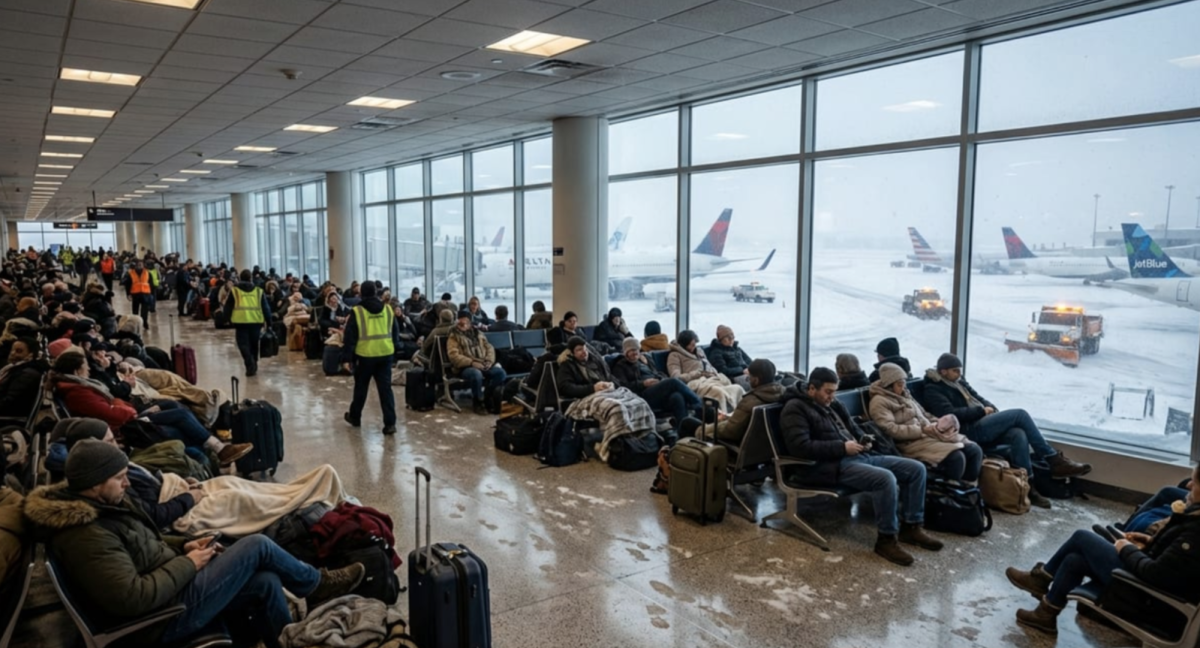
I was supposed to take a 6 a.m. flight back home to Miami, but the storm canceled my flight. Airports across the city began canceling flights as the weather worsened. In a story published by Reuters, travel came to a near standstill and roughly 7,400 flights were cancelled.
City officials warned residents to stay home. Streets, highways, and bridges were closed to traffic except for emergency vehicles, and schools were closed Monday. Depending on the area, between 19 and nearly 20 inches of snow fell across parts of New York.
My dad was worried there would be no flights available for a while, so we decided to take a train home instead. Instead of a three-hour flight, the trip turned into a 24-hour train ride.
As the snow kept falling, the city slowed down. Streets became covered, and people walked carefully to avoid slipping. Some stores closed early, and public transportation experienced delays.
While travelers struggled with delays and cancellations, New York residents experienced the storm firsthand.
Stella Paolone, a New York City resident, said she realized the storm was serious when she woke up to streets already covered in snow.
She described the first snowfall as “light and kinda cute,” but said it quickly became heavy. “The snow was coming down so fast, but the city felt empty and kind of peaceful,” Paolone said.
As conditions worsened, she noticed stores closing and streets slowing down. she said, adding that Times Square felt “quiet, but also kind of scary.”
While residents adapted to the storm, travelers across the country also faced sudden disruptions.
Victoria Sabater, a retail strategy consultant, was at an airport in Austin when her flight was canceled.
“I was waiting for my connection home when I got the notification,” Sabater said. “I went straight to the ticket counter and started looking for other flights myself.”
She said the delay disrupted her work and forced her to reschedule commitments. Furthermore, she described how she takes her commitments seriously and knows people are depending on her. Sabater described the airport as chaotic, as options quickly disappeared. Seats were filling up quickly, and every second that passed, nerves soared.
After several hours, she rebooked on another airline. “There were long lines and a lot of uncertainty,” she said, adding that a helpful airline employee “was a savior.”
While travelers like Sabater worked to adjust their plans, my own trip home was also taking an unexpected turn.
After learning my flight was canceled, I realized how long the trip home would be. My dad told me we would have to take a train instead, and that the trip would take about 24 hours. Since I don’t take trains often, I felt nervous about whether I would be comfortable or able to sleep.

The train ride felt endless as passengers discussed canceled flights and delays. When I finally arrived home, I was exhausted but relieved. When I stepped outside again in Miami, the air felt warmer than in New York. After the freezing weather, the warmth felt comforting.
Just a day earlier, I had been walking through a snowstorm in New York City. Now, standing in the Miami heat, the storm felt almost unreal.