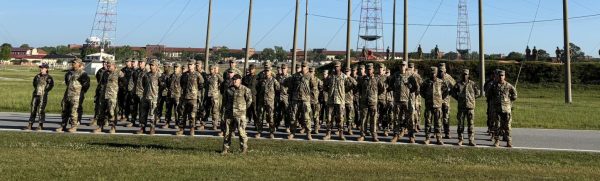
















At the heart of the U.S. Army’s training programs lies the Airborne Military School, located at Fort Benning, Georgia. For those aspiring to become paratroopers, this rigorous training course is the first step. With its unique combination of physical challenges and mental fortitude, the airborne training attracts recruits from across the nation, eager to earn their wings.
The training program lasts three weeks and includes ground training and jump training that culminate in multiple parachute jumps. The first week focuses on the basics, teaching students about the equipment, safety procedures, and parachute landing falls, vital skills that will serve them in the field.
One of the airborne students, a 25-year-old male who chose to remain anonymous, emphasized the rigorous training they undergo. “It’s physically demanding; we have to learn how to land correctly, so we go through a series of drills that require us to have hard falls.”
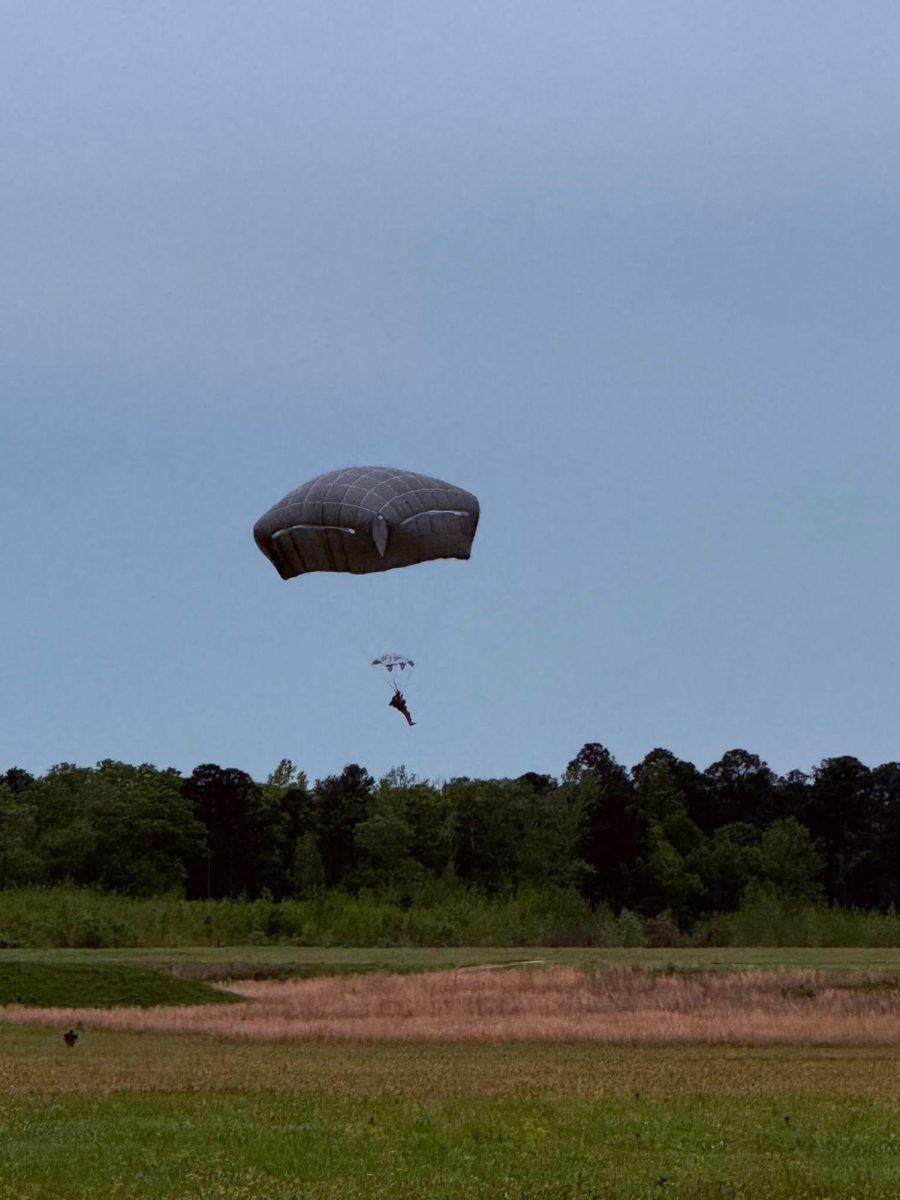
The real test begins in the second week when trainees make their first jumps. As recruits ascend to altitudes of 1,250 feet, they prepare to execute a series of jumps. Under the watchful eyes of seasoned instructors, they must demonstrate precision and confidence as they navigate the fall. The final challenge is the five-jump week. To earn their Airborne Wings, they must procure a safe landing and a hasty exit off the drop zone.
Mark Hills, a 20-year-old airborne student, highlights that even though he felt ready throughout training, being on the airplane ready to jump was threatening. “When I had to jump out of the plane, I was scared, and on my way down, my parachute got tangled, and I was falling really fast with only a few seconds to fix it.” Hills said. During their descent, paratroopers must handle difficult situations such as colliding with another jumper or overshooting the landing zone.
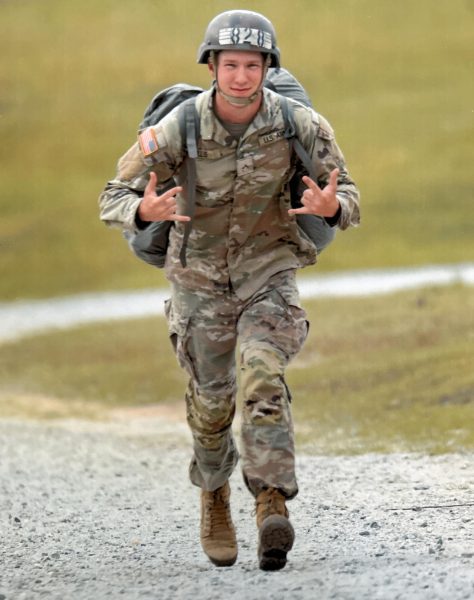
This discipline goes beyond the training field.
On campus, students interact daily with someone who has experienced that level of responsibility firsthand. School counselor Caridad Martinez, a former service member, now applies those same principles in a very different environment. Now she is helping students navigate academic pressure, personal challenges, and future decisions.
Considering Martinez’s involvement with the students, her opinion on whether students should consider the military remains vague. “I think that’s a fantastic option that some people should consider if it works well for them and their values.” She also expressed how this is something that you should do because you want to, not because someone told you to.
Martinez talks about the greatest lessons she has learned from her time in the army. “You don’t do things for your own good but for the greater good.”
Whether through her own experience or the training required in programs like Airborne School, that mindset remains the same; success depends on discipline, trust and perseverance.